


The Big Picture
Fantasy football drafts are won on two axes: hitting on early-round picks at a rate that matches your league, and finding mid-to-late round players who out-earn their ADP. Nobody wins a championship off a single stud pick, and nobody wins one by drafting exclusively in the later rounds. The managers who cash at the end of the season almost always have a top-tier anchor at running back or wide receiver plus two or three late-round hits that ended up as weekly starters.
The mindset that works best in 2026 is simple. Take the highest-upside player available in rounds one through three, shift to filling positional needs with starting-caliber pieces in rounds four through seven, then spend the back half of the draft hunting upside instead of floor. Drafting safe in the later rounds is how you end up with a bench full of players who will never crack your weekly lineup.
Round-by-Round Strategy
Rounds 1-3: Build the Foundation
The first three rounds decide your ceiling. You are looking for genuine bellcows and target monsters, not safe plays. Running backs with three-down roles and wide receivers who clear 130 targets a year are the two archetypes to prioritize. The elite tier at running back in 2026 includes players like Jahmyr Gibbs, Kenneth Walker III, and Bijan Robinson. At wide receiver, target-volume alphas like Jaxon Smith-Njigba and Puka Nacua are the safer floor investments.
Rounds 4-7: Fill Starting Slots
This is where most drafts are won or lost. You should be walking out of round seven with a complete starting lineup, including your RB2, WR2, WR3, and ideally a tight end. The trap to avoid is reaching for a quarterback here, unless you're in superflex, QB scarcity is a myth and waiting until rounds 9-12 saves you value for harder positions. If you are locked in on a top tight end like Brock Bowers, round five is the earliest reasonable pick for him.
Rounds 8-12: Hunt Upside
This is where your bench and your flex get built. The managers who win their league are almost always the ones who hit on one or two picks in this range. Look for backs one injury away from a starting role, wide receivers on ascending offenses, and tight ends with growing target shares. Our sleepers list surfaces the best data-driven options for this exact range.
Rounds 13+: Handcuffs and Lottery Tickets
Your last few picks should fall into two categories. Handcuffs for your elite running backs are priority one, because losing a top-10 back without any backfield insurance wrecks your season. Lottery tickets are category two: rookies with unclear roles, backup quarterbacks with upside, and injury-stash players. None of these picks need to hit, but one of them almost always does.
PPR vs Half-PPR vs Standard
Scoring format is the single biggest adjustment most managers get wrong. In full PPR, pass-catching running backs and high-target wide receivers jump up tiers dramatically. A back who catches 60 passes is worth an extra two to three PPG over the season, which over the course of 17 games is the difference between a weekly starter and a bench player.
Standard scoring flips the priority. Early-down workhorses with touchdown upside move ahead of receiving backs. Tight ends drop in value because their receptions do not carry bonus points. And certain touchdown-dependent wide receivers become much riskier weekly starts.
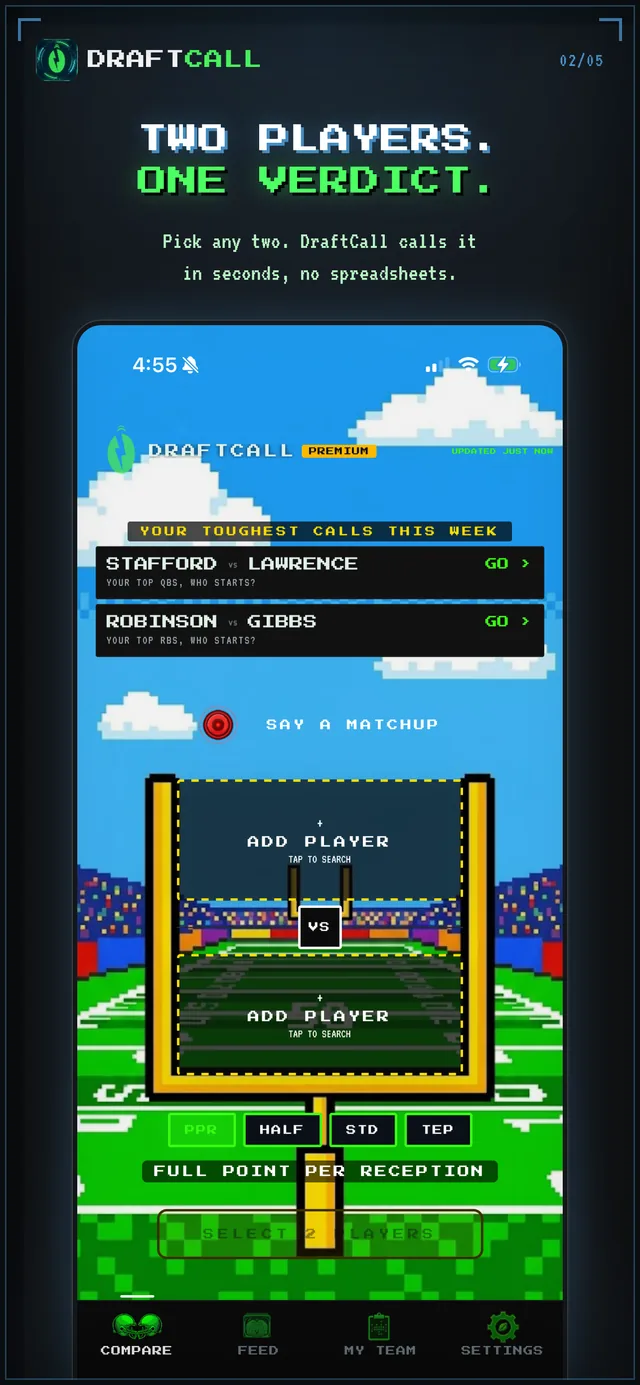
Half-PPR is the default for most leagues, and it is the format DraftCall's comparison engine uses unless you toggle otherwise. Roughly speaking, everything lands in the middle: receiving backs gain a little, touchdown-dependent players lose a little, and the tier breaks at each position are closer together than in full PPR.
Position Priority in 2026
Running back is still the scarcest position, full stop. There are maybe 12 to 15 backs in any given season who carry a real three-down workload, and everyone knows it. Prioritize securing one of those backs in rounds one or two if you can. Missing on the early RB tier usually means chasing at the position all season.
Wide receiver depth is meaningfully stronger than running back depth, which is why most analysts now recommend Zero-RB or Hero-RB as viable strategies. If you skip running back entirely in the first two rounds, you need to double-down on the receivers in rounds one through four and then aggressively target volume backs in rounds five through eight. It is a viable path but you need to commit to it.
Quarterback priority in 2026 depends entirely on league format. In standard one-QB leagues, wait until rounds 9-12 and pair a dual-threat starter like Josh Allen with a matchup-based stream. In superflex and 2-QB leagues, quarterbacks should be treated like running backs: get two starters in your first five picks or you will be playing catch-up.
Tight end breaks cleanly into three tiers: the elite few who are near-lock top-5 weekly, the middle tier of matchup-dependent starters, and everyone else. Pay up for the elite tier or wait until round 13-15 and stream. The middle rounds at tight end are a trap.
Handcuff and Insurance Picks
Handcuffing your top running back is the single most underrated move in fantasy football. If you used a first-round pick on a three-down back, spending a late-round pick on his direct backup protects the most expensive slot on your roster. Starting running backs miss time at a rate of roughly 30% over a 17-game season. The math is not close.
Our bust candidates list flags top-tier running backs who missed real time in 2026, which is the exact group where handcuffing is not optional. Do not leave that insurance on the board.
Waiver Stash Philosophy
The last two picks of your draft should not be "best player available." They should be "highest upside regardless of role clarity." Rookies who get drafted into starting-caliber spots during the NFL offseason, backup quarterbacks on high-scoring offenses, and injury returns who may not play Week 1 but could be league-winners by Week 8.
If you hit on one of these picks, you made your entire season. If you miss on all of them, you drop them for the waiver wire pickup of the first month. Low cost, asymmetric upside.
After the Draft: Win the Weekly Start/Sit
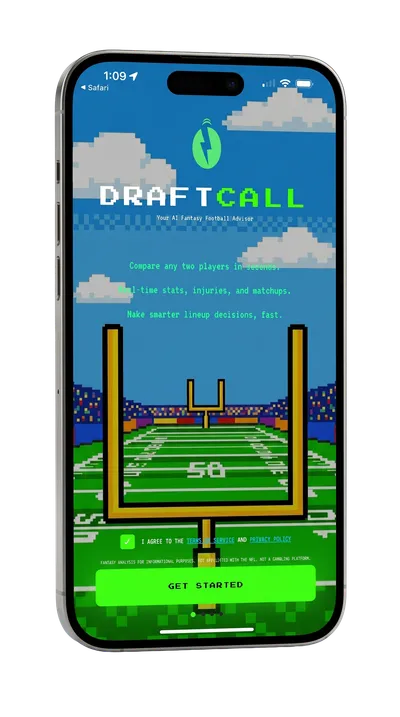
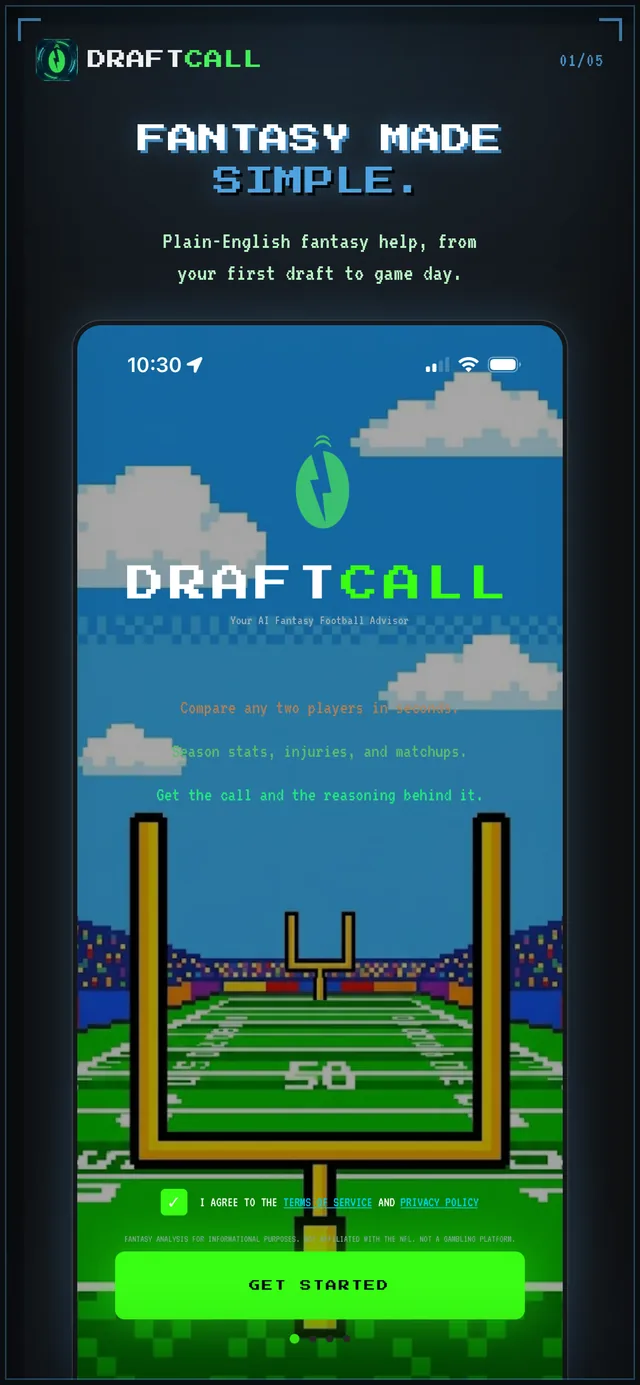
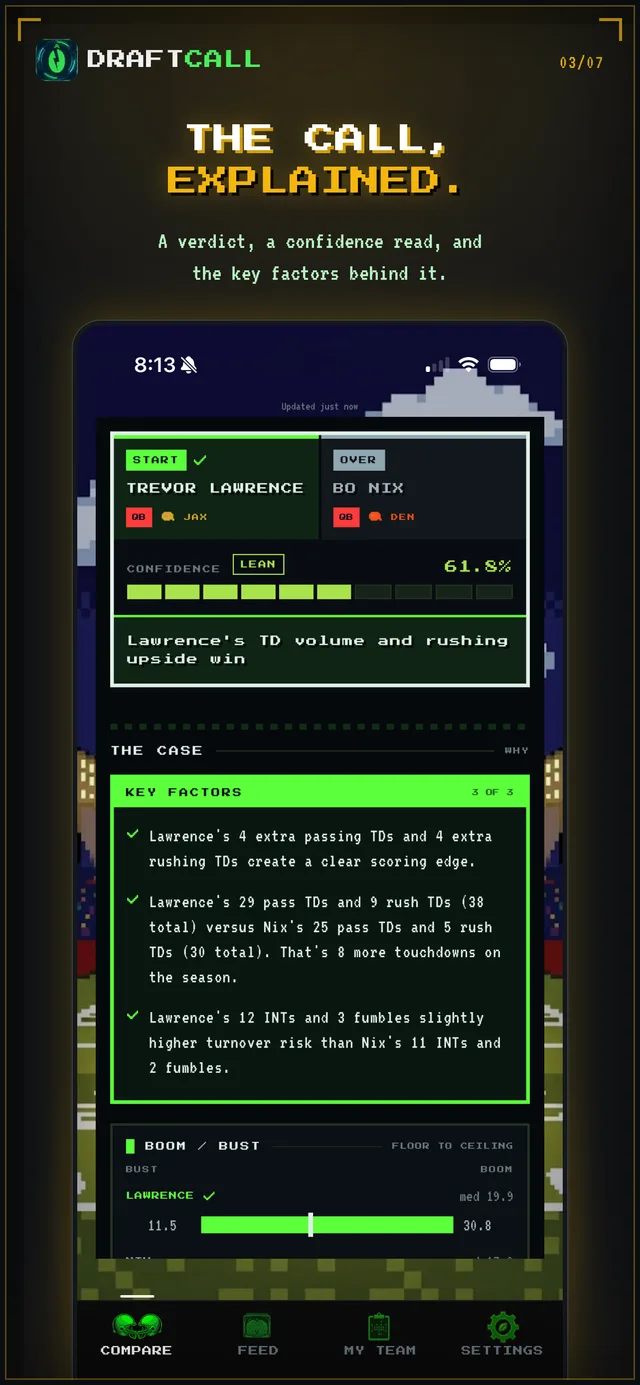
A perfect draft is useless if you start the wrong player on Sunday. Every week of the NFL season, your biggest decisions are the close calls: which RB2, which FLEX, which tight end to stream. That is the exact problem DraftCall was built to solve.
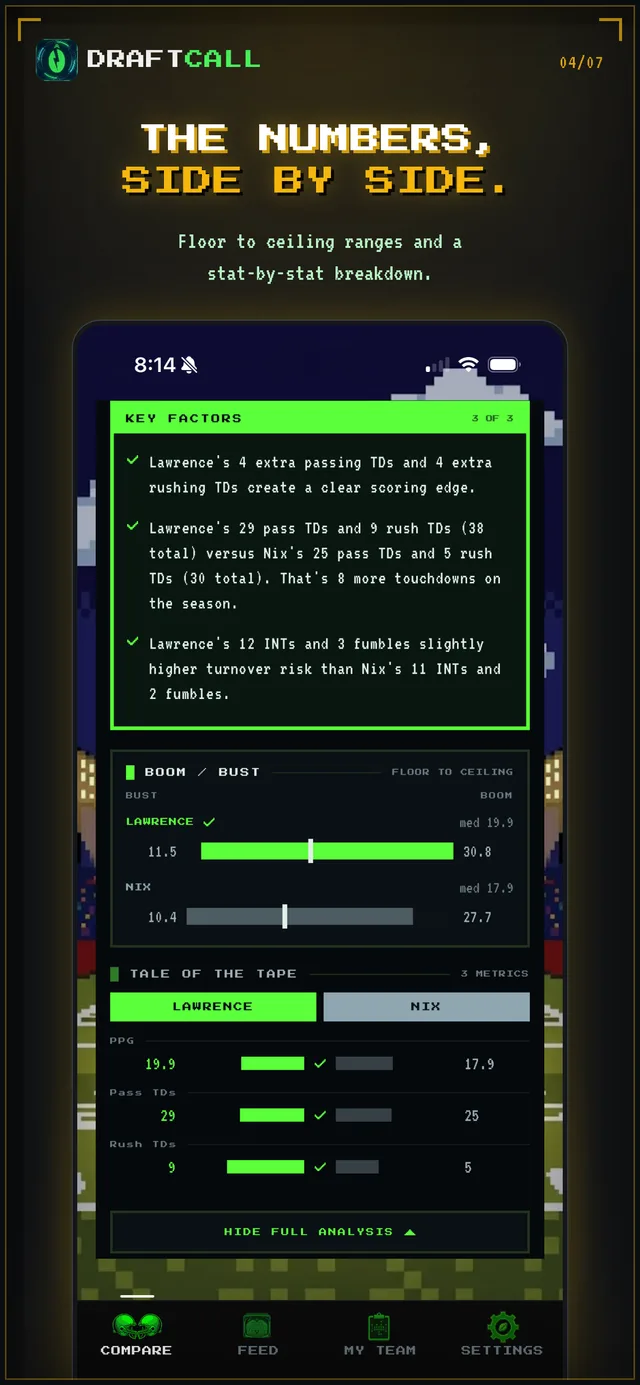
The app's AI matchup engine pits any two NFL players head to head in seconds, factoring in matchup quality, recent form, injury status, and your league's scoring format. Download DraftCall and keep the data advantage that got you through the draft all the way into Week 18.